Smart Roof Checks for South Coast NSW: Why Drone Inspections Are Changing the Game
How drones deliver safer, faster roof and solar checks for South Coast NSW homes and businesses
Across the Illawarra, Shoalhaven and Southern Highlands, roofs work hard. Hail, strong coastal winds, heavy rain and salt-laden air all speed up wear on tiles, metal, gutters and solar panels. For property owners and managers on the South Coast, staying ahead of roof problems is not just about comfort – it’s about safety, asset value and avoiding costly repairs.
Traditionally, roof inspections have meant ladders, harnesses and someone physically walking the roof. Drone roof inspections take a different approach, using aerial imagery and (where needed) thermal data to assess roof and solar conditions without sending people up at height. This article looks at how both methods stack up for South Coast NSW properties, with separate sections for residential and commercial needs.
Traditional roof inspections in South Coast conditions
A traditional inspection generally involves a contractor or inspector physically accessing the roof using ladders, scaffolding or elevated platforms. They walk key areas, look for cracked tiles, lifted sheets, rust, blocked gutters, seal failures and obvious leaks. On the South Coast, they may also check for hail bruising, wind-creeped fixings, corrosion on coastal metalwork and solar panel issues tied to weather exposure.
Hands-on inspections can sometimes allow minor fixes on the spot, but they come with familiar challenges. Working at height carries fall risk, especially on wet, steep or brittle roofs. Access equipment adds cost and time. Large commercial sites or multi-building complexes may require multiple access points, creating downtime and additional labour. Some areas remain difficult or unsafe to reach, leaving parts of the roof less thoroughly checked.
What drone roof inspections offer
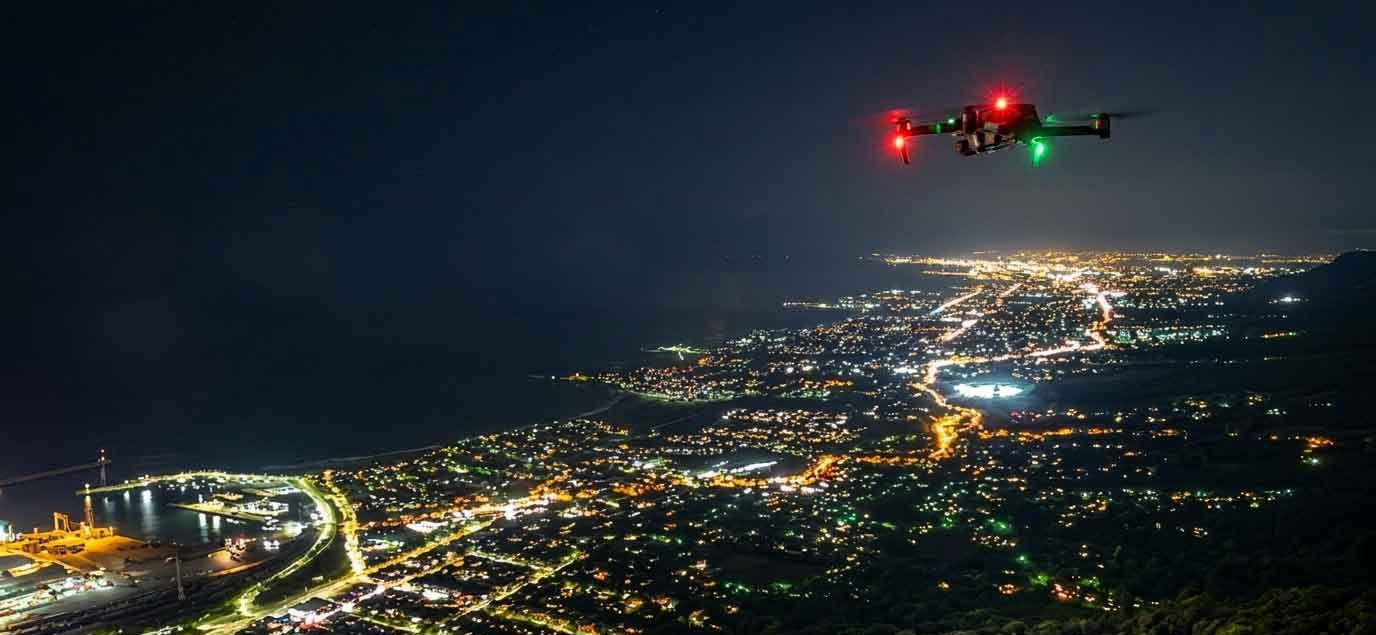
Drone roof inspections use remotely piloted aircraft equipped with high-resolution cameras – and, where required, thermal sensors – to capture detailed imagery of the roof and related structures. Instead of climbing, the pilot works from the ground, flying systematic passes over and around the building to document condition.
This approach delivers several advantages for South Coast properties:
- Safety:
Inspectors stay on the ground, aligning with SafeWork guidance to avoid working at height where possible.
- Coverage:
Drones can reach high, steep or complex roof areas that are awkward for people to access.
- Speed and minimal disruption:
Flights and image capture can be completed quickly with no scaffolding and little impact on occupants, tenants or operations.
- Detailed records: Imagery, video and thermal scans provide a visual record that can be stored, compared over time and shared with trades, facilities managers or insurers.
For South Coast conditions, that means being able to see wind, hail and salt-related issues clearly, and to track changes across seasons or storm events.
Commercial and industrial properties: efficiency, compliance and asset records
Different demands on commercial rooftops
Commercial and industrial roofs on the South Coast often carry more than just weather exposure. They may host plant and equipment, ducting, solar arrays, skylights, ventilation, and service walkways. Many sites run continuous operations, making downtime, scaffolding and access restrictions costly. At the same time, they face the same hail, wind and salt air as residential properties, often across much larger roof areas.
Facilities managers and property owners need regular, predictable roof and solar checks: annual or bi‑annual reviews, targeted inspections after severe weather, energy efficiency checks for solar, and condition assessments for insurance and asset planning.
Why drones fit commercial and industrial needs
Drone inspections support these requirements by:
- Reducing work at heights:
SafeWork NSW guidance emphasises avoiding work at height where reasonably practicable and using other controls where necessary. Drone inspections allow roof condition to be assessed from the ground first, so contractors only access the roof when work is actually needed.
- Covering large areas quickly: Aerial passes can document extensive roofs, multiple buildings or complex layouts far faster than manual walking.
- Minimising downtime: Many inspections can be performed without shutting down plant, closing sections of a site or erecting scaffolding, keeping operations running.awesim
- Supporting planned maintenance: Regular annual or bi‑annual flights create a visual history of roof and solar condition, helping plan maintenance budgets and catch smaller issues before they become major faults.
Providing evidence for compliance and insurance: Imagery and thermal data support safety documentation, asset registers, and insurance claims after storm or hail events.
Solar and energy efficiency checks
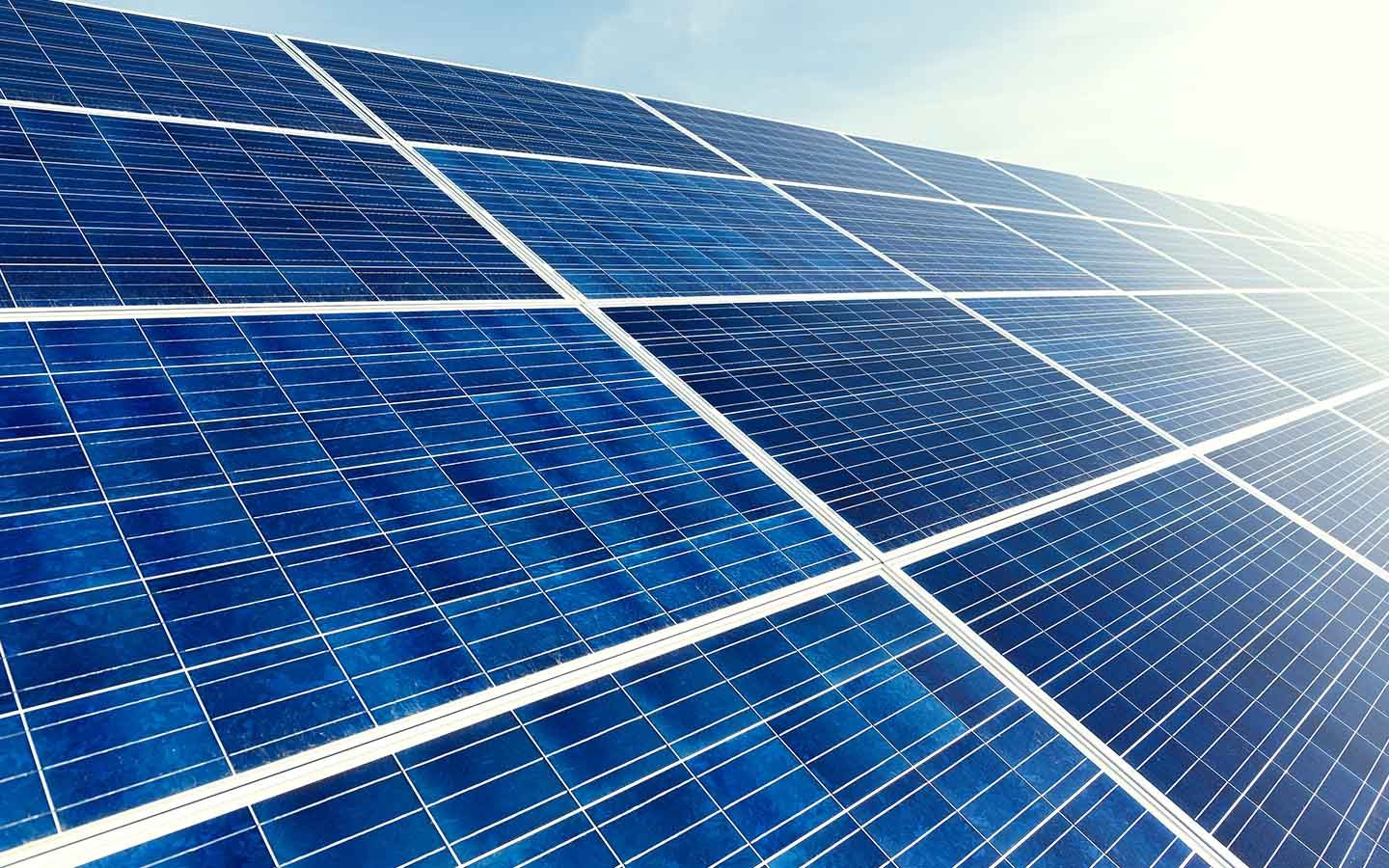
For sites with solar installations, drones with suitable sensors can help verify:
- Panel cleanliness and physical condition
- Potential shading, debris or placement issues
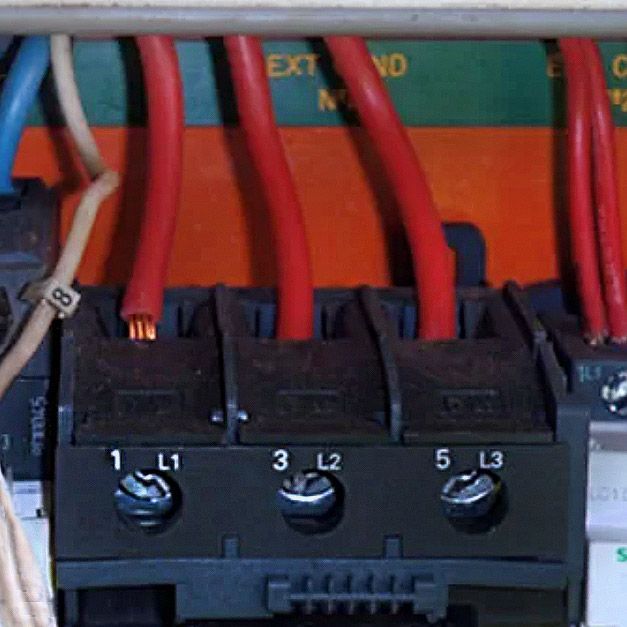
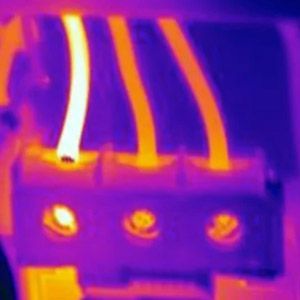
- Hot spots or performance anomalies not visible to the naked eye (through thermal imaging)
- This supports energy efficiency goals and helps identify faults before they cause production losses or safety issues.
- Recording leaks, ingress and faults
Thermal and high-resolution imagery can highlight:
- Suspected leak paths and water ingress areas
- Damaged flashing, seals or penetrations
- Areas where pooled water or drainage issues exist
Rather than relying solely on visual checks from a single vantage point, drones can capture consistent, repeatable views that make it easier to compare after rain events or seasonal changes.
Residential properties: safer checks and better peace of mind
Weather and roof risk for homes
South Coast homes face a mix of hazards: hail that can bruise tiles and dent metal, strong winds that lift fixings and flashings, heavy rain that exposes weak points, and sea air that corrodes metal components and solar hardware faster than inland locations. Inside, small leaks can show up as staining, damp or mould long after the roof problem began.
Traditional inspections can identify many of these issues, but they require someone to climb and walk the roof. For older homes, steep pitches, skylights or brittle tiles, this adds risk both to the person and to the roof itself.
How drone inspections help homeowners
Drone inspections allow a roof to be checked without anyone stepping on it. The aircraft can capture:
- Close images of tiles, sheeting, ridge caps, gutters and penetrations
- Signs of wind damage, lifted or loose elements, and hail impacts
- Evidence of corrosion on coastal metalwork and solar mounting hardware
- Thermal patterns that may indicate water ingress or failing insulation (where thermal payloads are used)
For homeowners, this means safer assessment, faster turnaround and clearer evidence when speaking to roofers, solar installers or insurers. Reports can include stills, video and summaries, giving a baseline for maintenance planning or pre-sale checks.
When drones are best for residential rooftops
Drone inspections are particularly useful for:
- Post-storm checks after hail or strong winds
- Regular maintenance reviews on older or coastal roofs
- Pre-purchase or pre-sale assessments where roof condition needs documenting
- Situations where roof access is difficult or risky (steep, fragile, multi-level)
They don’t replace all traditional work – a trade may still need to attend for repairs – but they significantly reduce the need to send someone up without clear reason, and they narrow down exactly where work is required.
Drone vs traditional roof inspections: which suits South Coast properties best?
Traditional roof inspections still have a place, especially when hands-on work is required and precise material checks must be made on site. However, for many South Coast NSW residential and commercial properties, drone inspections offer a safer, faster and more efficient way to understand roof and solar condition before committing to physical access.
For homes, drones reduce the need for climbing, help spot weather-related damage early, and provide clear visuals for trades and insurers. For commercial and industrial sites, they support regular planned checks, SafeWork-aligned practices, energy efficiency monitoring and comprehensive asset records across large roof areas – all without unnecessary downtime.
Next steps for South Coast roof and solar checks
If your home or commercial property in the Illawarra, Shoalhaven or Southern Highlands needs a safer, more efficient way to check roof or solar condition, a drone inspection can help you see issues before they turn into expensive problems.
Professional Drone Imagery provides planned and post‑weather aerial inspections for residential and commercial roofs, solar installations and building assets, with clear imagery and reporting designed for trades, facilities teams and insurers.

Author
Heather James | Chief Remote Pilot
I’m Heather James, CEO of Professional Drone Imagery Pty Ltd (PDI), Chief Remote Pilot, RePL Instructor and photographer. I help businesses with aerial imagery, thermal inspections and photography, alongside accurate site data, to improve oversight, safety and marketing outcomes on every project.
Not sure if your drone project is ready for an estimate? Take our Drone Project Readiness Check to find out in less than 2 minutes.